
Society
Building a Better Society: The Path Toward Unity, Equality, and Progress


Society is more than the place we live—it is the network of people, systems, values, and relationships that shape our everyday experiences. From the laws that govern us to the cultural traditions that influence how we think and behave, society is a living structure that evolves continuously. As the world becomes increasingly interconnected through technology, migration, and global challenges, we must examine how we can build stronger, more inclusive communities.
Today, we stand at a crucial point in history. Social issues such as inequality, climate change, misinformation, and polarization are forcing us to rethink how we coexist. To create a future where everyone thrives, we must understand the forces shaping modern society and embrace the opportunities they bring.
Diversity and Inclusion: Strength in Every Voice
Modern society is more diverse than ever before. People of different cultures, identities, ages, and abilities share neighborhoods, workplaces, and digital spaces. Diversity enriches society with innovation, creativity, and broader perspectives. When different voices are not just present but valued, communities become smarter and more resilient.
However, inclusion remains a challenge in many regions. Discrimination, stereotypes, and lack of representation still limit opportunities for many groups. Moving toward true equality requires:
-
Fair access to education, employment, and healthcare
-
Representation in leadership roles
-
Freedom to express cultural and personal identity
-
Policies that protect and uplift minority communities
A society that embraces diversity creates space for everyone to contribute, leading to stronger social bonds and a deeper sense of belonging.
Technology and the Changing Social Landscape
Technology has transformed the way we interact, learn, work, and form communities. Social media connects billions of people instantly, while digital services make life more convenient than ever. Virtual communication enables friendships and collaborations across continents.
But this digital revolution also brings challenges:
-
Privacy and data security concerns
-
Misinformation spreading rapidly online
-
Social isolation despite constant connectivity
-
Tech-driven job changes leaving some behind
To ensure technology benefits society rather than harming it, we must prioritize digital literacy, ethical innovation, and equitable access to tech resources. With thoughtful guidance, technology can help society progress while preserving human connection and trust.

Education as the Foundation of Social Progress
Education shapes citizens and prepares societies for the future. It provides the skills needed for employment, strengthens critical thinking, and encourages civic participation. But education must evolve along with societal needs.
A strong educational society:
-
Encourages curiosity and self-expression
-
Promotes empathy and understanding among students
-
Reduces inequality through access to quality learning
-
Includes lessons on sustainability, digital literacy, and global citizenship
When children learn to respect differences and think for themselves, they grow into adults who can solve problems collaboratively and build a better future.
Economics, Employment, and Social Well-being
A healthy society must provide opportunities for financial stability and meaningful work. Economic inequality continues to create divisions within communities, leaving some people without access to essential needs like healthcare, safe housing, or nutritious food.
Stronger societal systems can be built through:
-
Fair wages and labor protections
-
Access to job training and skill development
-
Support for entrepreneurs and small businesses
-
Policies that prioritize well-being, not just profit
Economic progress should lift everyone—not just the most privileged. When social and economic policies align, communities become more secure, productive, and united.
The Importance of Mental and Physical Well-Being
A successful society is one that supports human wellness on every level. Mental health challenges, stress, and chronic illness affect individuals’ ability to participate fully in society. Community programs, accessible healthcare, and supportive environments are critical for both personal and collective prosperity.
A society that cares for mental and physical health:
-
Reduces stigma around mental illness
-
Provides affordable healthcare services
-
Encourages a balanced lifestyle with time for recreation
-
Builds safe public spaces for exercise and socialization
Healthy people contribute more positively to their families, workplaces, and communities.
Climate Responsibility and Sustainable Living
Climate change affects every society, regardless of borders or wealth. The responsibility to protect the planet falls on governments, businesses, and citizens alike. Sustainability is no longer a choice—it is a necessity.
Communities can support a sustainable future by:
-
Reducing waste and pollution
-
Using renewable energy sources
-
Protecting biodiversity and natural habitats
-
Encouraging environmentally conscious lifestyles
A society that cares for the environment ensures a livable world for future generations.
Community Engagement: The Heart of Social Strength
Strong societies are built on communication, cooperation, and shared values. Community involvement fosters trust and helps individuals feel connected to something greater than themselves.
Meaningful engagement can include:
-
Volunteering and charitable efforts
-
Local activism and civic participation
-
Public discussions that welcome diverse opinions
-
Cultural events that celebrate heritage and unity
When people feel responsible for their community’s well-being, they become active contributors to positive change.
Overcoming Division: The Need for Empathy and Dialogue
One of the greatest challenges in society today is polarization. Differences in politics, beliefs, or culture often divide people rather than bring them together. Social unity requires the ability to listen, understand, and compromise.
Empathy is a powerful tool. By recognizing the experiences of others, people can bridge gaps and reduce conflict. Respectful dialogue allows individuals to express their beliefs without diminishing someone else’s worth.
A society rooted in compassion is one that thrives.
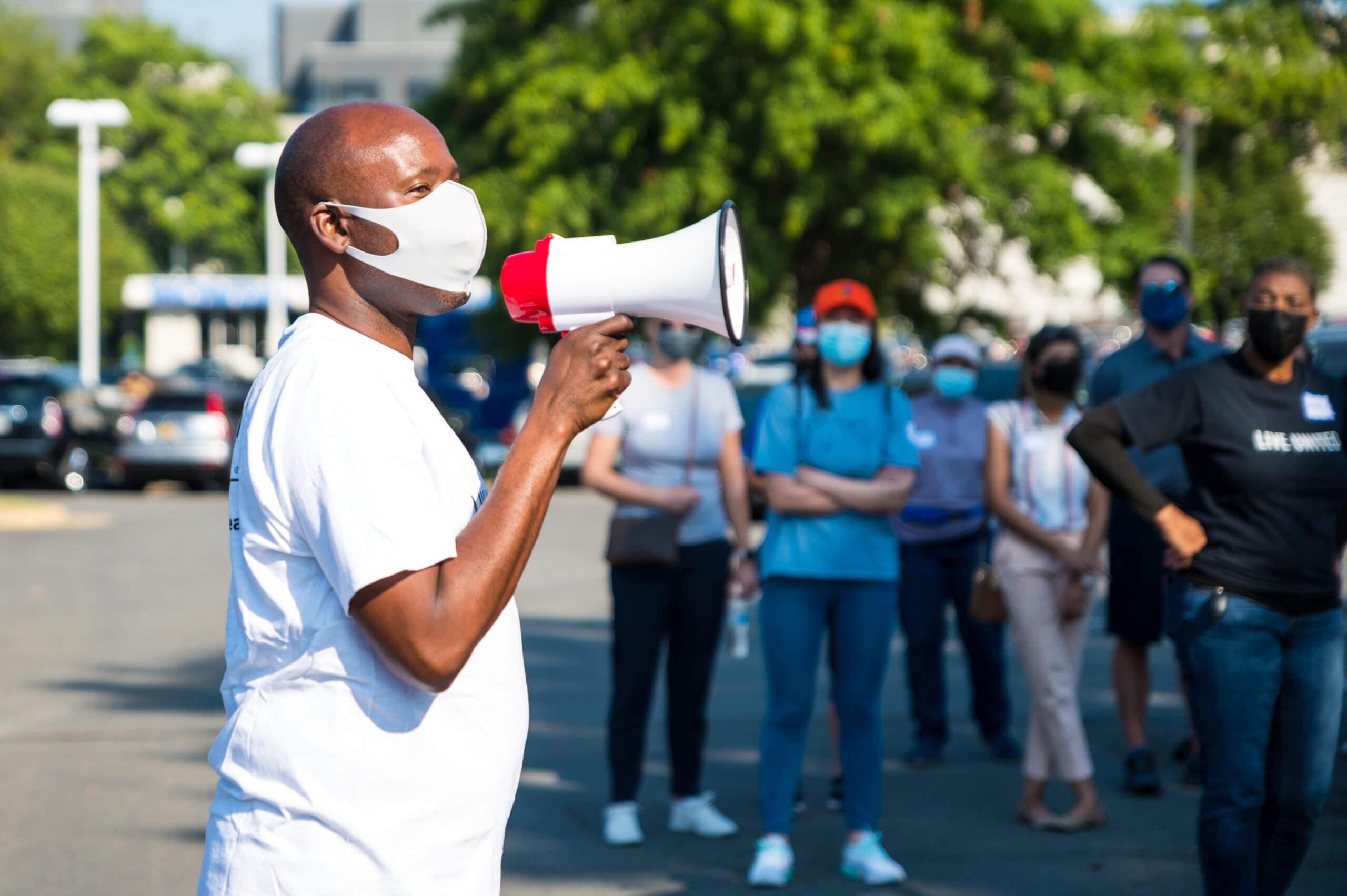
Conclusion: A Society Designed for Everyone
A stronger, healthier society is within reach — one where every person has equal opportunity, feels valued, and participates in shaping the future. By promoting inclusion, ethical technology use, accessible education, economic fairness, environmental responsibility, and empathy, we create communities built on justice and unity.
Progress does not happen overnight. It requires collective effort, open-mindedness, and a commitment to uplifting one another. But each step toward fairness, understanding, and cooperation brings us closer to a world where society works for everyone.
Building a better society begins with us — in how we treat one another, how we act in our communities, and how we imagine the future. Working together, we can create a world defined not by our differences, but by our shared humanity.

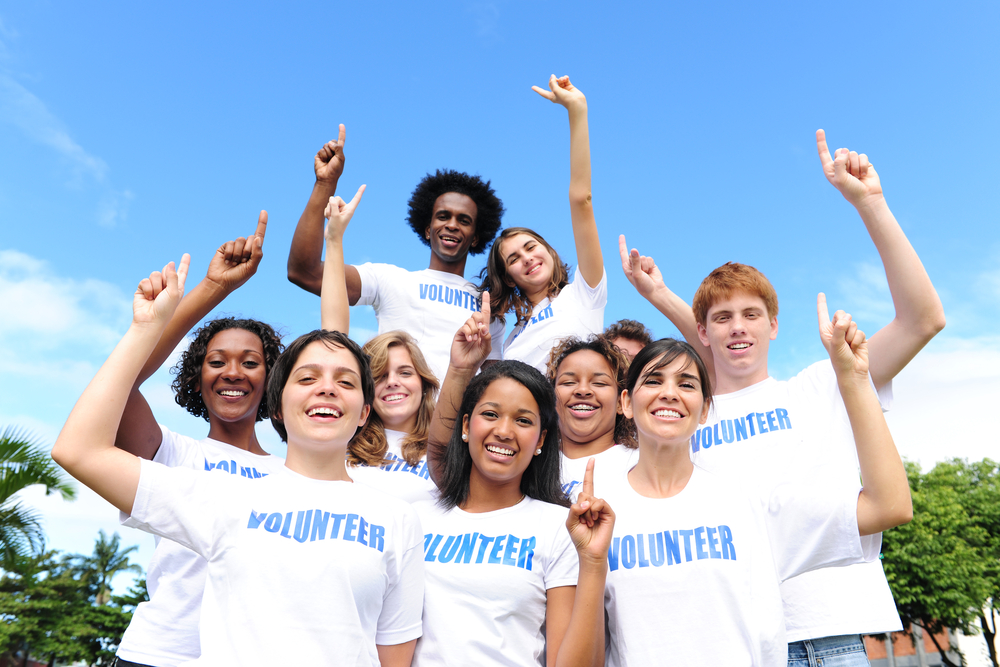
Volunteering is more than an act of kindness; it’s a fuel for change. When you give your time and energy to help others, you don’t just uplift communities—you grow as a person too. From building connections to addressing critical needs, volunteering has the power to transform lives, including your own. It doesn’t matter if it’s mentoring youth, organizing food drives, or supporting local initiatives, your efforts can create ripples of positivity that spread far and wide. If you’re ready to take that first step, explore our Step-by-Step Guide on How to Become a Volunteer and discover how you can make a meaningful difference today. This post explores how giving back can strengthen communities, inspire compassion, and offer you a sense of purpose like never before.
The Personal Benefits of Volunteering: How Helping Others Helps You
Volunteering doesn’t just make a difference in the lives of others—it also benefits you as well. Giving your time and energy can significantly boost your emotional well-being, providing a deep sense of purpose and fulfillment. Knowing you’ve contributed to something larger than yourself encourages pride and accomplishment, lifting your spirits.
On a mental level, volunteering is a powerful stress-reliever. It shifts your focus away from daily challenges, helping you gain perspective and feel more connected to the world around you. Studies even show that selfless activities can lower symptoms of depression and anxiety, making you feel more balanced.
The social rewards are equally enriching. When you volunteer, you meet people who share your values and interests, building genuine connections while strengthening your sense of community. These relationships can improve your support system and provide valuable learning experiences through diverse perspectives.
By helping others, you create a positive ripple effect in your own life. Volunteering isn’t just an act of kindness; it’s a pathway to personal growth, happiness, and a healthier outlook on life.
Creative Ways to Start Volunteering in Your Local Area
Volunteering doesn’t have to be complicated—in fact, creativity can make giving back even more rewarding! Think about tapping into your skills or passions to make a real difference in your community. Love books? Offer your time at the local library or organize a neighborhood book drive. Are you an animal lover? Volunteer at an animal shelter or help a rescue group with fundraising efforts.
You can also get started by attending community clean-up events to beautify parks or streets. For people with a talent for teaching, becoming a mentor or tutor for kids or adults opens up incredible opportunities for growth on both sides.
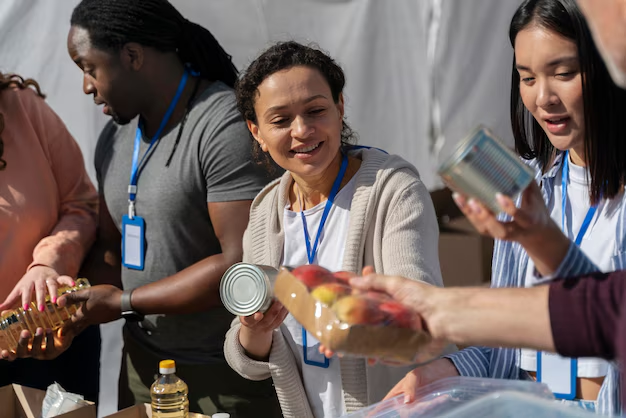
Consider your schedule, too—even small acts matter! Deliver meals to elderly neighbors, spend an hour sorting donations at a food pantry, or lend a hand at local farmers’ markets. Keep an eye on nonprofit websites and community boards for pop-up opportunities.
The key is to start small and explore what feels meaningful to you. By thinking outside the box, you can find unique ways to give back and create lasting positive change where you live.
Tackling Global Challenges Through Local Volunteer Work
Big global challenges like climate change, poverty, and inequality can feel overwhelming, but local volunteer work offers a powerful way to make a difference. Every small action contributes to a bigger picture, proving that tackling global issues starts right in your own community.
By volunteering locally, you address the root of these challenges on a manageable scale. For example, joining a community recycling program can contribute to global environmental sustainability. Supporting food banks and shelters helps fight hunger, a crucial step toward reducing worldwide poverty. Local educational initiatives empower individuals, creating ripples of progress that extend far beyond one neighborhood.
When you participate in these efforts, you become part of a global movement. Your actions inspire others to get involved, amplifying the impact. The beauty of volunteering is that it brings worldwide challenges into focus while offering actionable steps that you can take today.
Remember, every global change begins with local action. By lending your time and energy, you’re shaping a more compassionate and sustainable world from the ground up.
Conclusion
Volunteering is a simple yet powerful way to create change. By giving your time, you can transform lives, build stronger communities, and find personal growth. Every effort counts. Step forward, get involved, and be the spark that inspires positivity. Together, we can make a difference that truly matters. For more ideas and inspiration to enrich your daily life, explore our full collection of lifestyle blog posts designed to help you live with intention and impact.
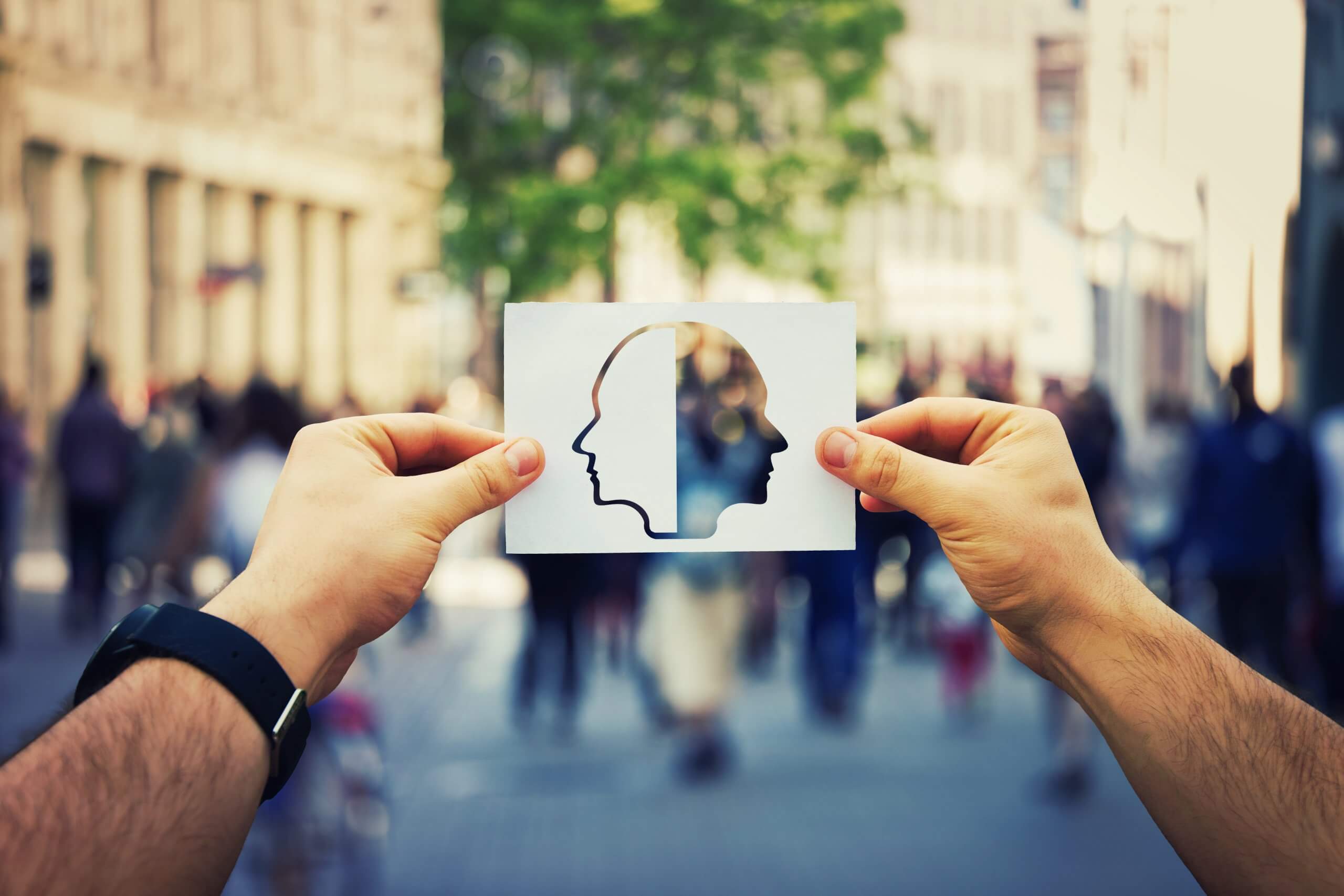
Society is the framework within which human life unfolds. It shapes our values, dictates our norms, and influences everything from our relationships to our politics. Yet, in the 21st century, society is undergoing rapid transformation. Globalization, technological progress, shifting demographics, and environmental challenges are reshaping how people live, work, and interact. Understanding these changes is essential for building a future that is inclusive, resilient, and sustainable.
The Changing Nature of Community
In the past, society was largely defined by local communities. People lived in small, tight-knit groups where relationships were built on face-to-face interactions. Shared traditions, cultural practices, and geographical proximity formed the backbone of social life.
Today, however, communities are increasingly global and digital. Social media platforms allow people to connect across continents, forming online groups based on shared interests rather than physical location. While this creates opportunities for diversity and exchange, it also challenges traditional notions of belonging.
The shift to digital communities has benefits—access to global perspectives, opportunities for marginalized voices, and increased cultural exchange. Yet, it also brings risks such as misinformation, echo chambers, and social isolation. Balancing virtual connections with real-world relationships is one of the greatest challenges modern society faces.
Technology and Its Impact on Society
Technology is perhaps the most powerful force reshaping society today. From smartphones to artificial intelligence, innovations influence every aspect of daily life. Education, healthcare, commerce, and communication are all evolving as digital tools become more integrated into society.
On the positive side, technology has democratized access to information and opportunity. Online education makes learning accessible to millions, while telemedicine expands healthcare access to rural communities. Social media has amplified activism, giving voice to movements such as climate action, gender equality, and racial justice.
However, technology also raises ethical and social concerns. Data privacy, job displacement due to automation, and the spread of disinformation are pressing issues. The digital divide—the gap between those who have access to technology and those who do not—threatens to widen inequality. As society continues to embrace technological progress, it must also create safeguards to ensure equity, accountability, and ethical use.
Diversity and Inclusion in Modern Society
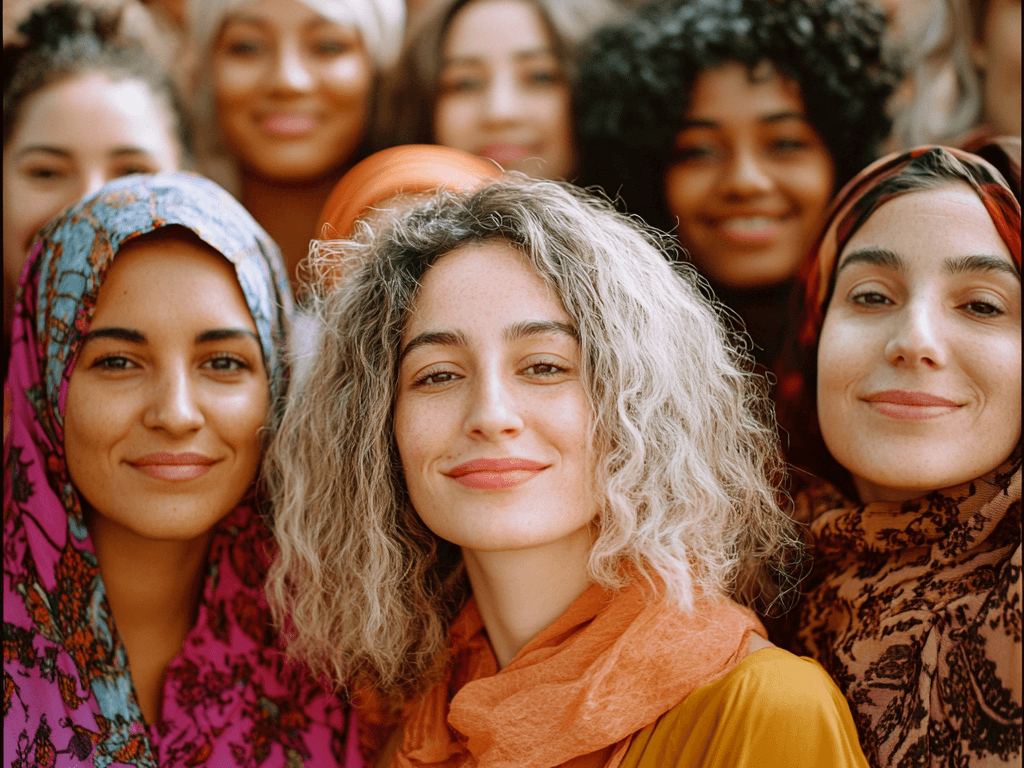
One of the most important shifts in contemporary society is the growing recognition of diversity and the push for inclusion. Gender equality, racial justice, LGBTQ+ rights, and disability inclusion are no longer fringe issues—they are central to societal development.
Movements around the world are challenging long-standing structures of discrimination. For example, women’s empowerment initiatives are not only addressing pay gaps but also encouraging female leadership in politics, business, and education. Similarly, conversations about racial justice are pushing societies to confront historical injustices and create fairer systems.
Inclusion is not just a moral imperative—it also strengthens societies. Research shows that diverse communities are more innovative, creative, and resilient. By valuing different perspectives and ensuring equal opportunities, societies can unlock their full potential.
Economic Inequality and Social Mobility
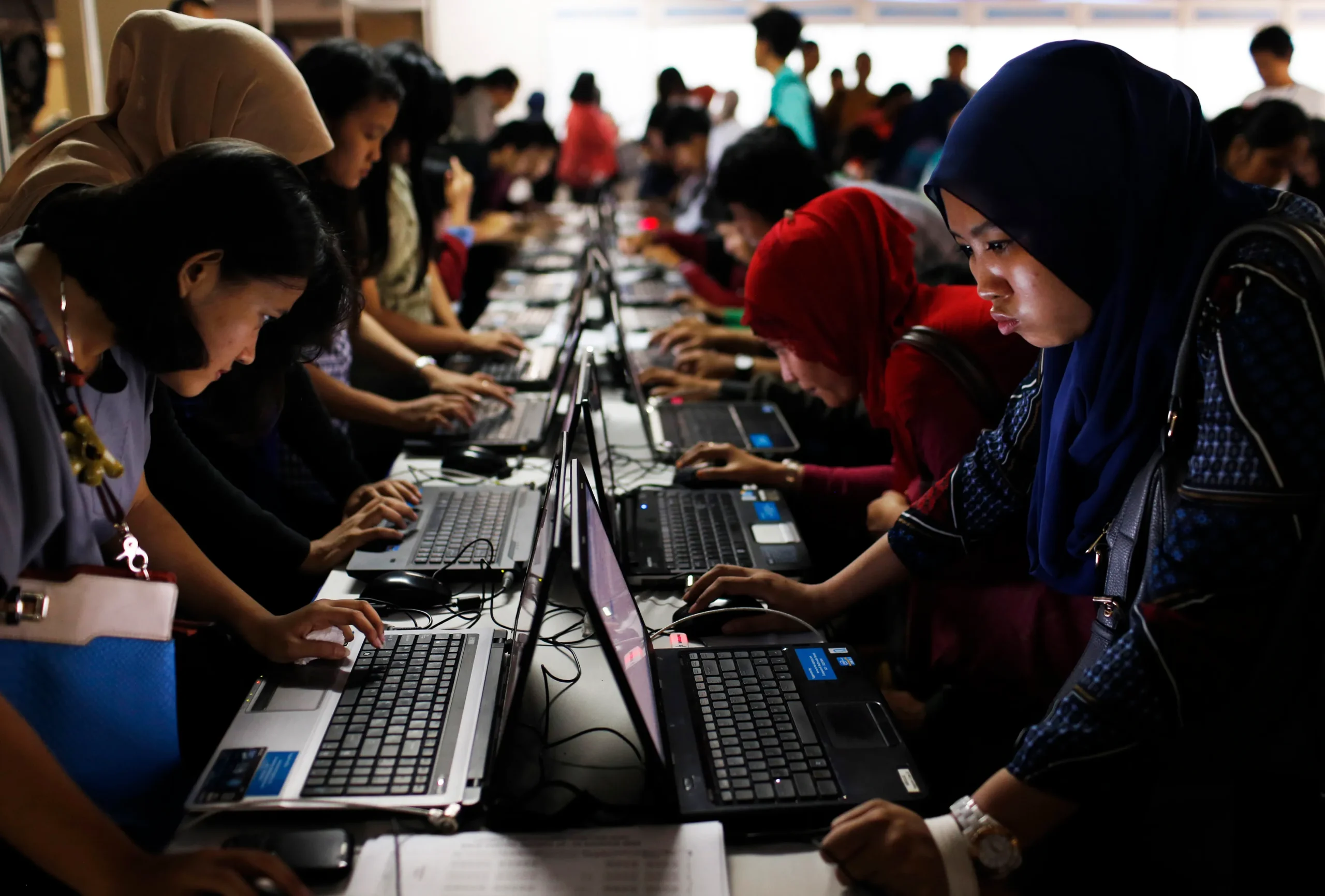
Despite progress in some areas, modern society faces persistent challenges with inequality. Wealth is increasingly concentrated among a small percentage of the population, while many struggle with stagnant wages, limited job opportunities, and rising living costs.
Economic inequality affects more than finances—it shapes access to healthcare, education, and political influence. When opportunities are unevenly distributed, social mobility declines, creating cycles of poverty that are difficult to break.
Addressing these challenges requires systemic solutions. Governments, businesses, and communities must work together to create policies that ensure fair wages, affordable housing, quality education, and accessible healthcare. Without tackling inequality, society risks deepening divisions that undermine stability and cohesion.
Environmental Challenges and Social Responsibility
The health of society is deeply tied to the health of the planet. Climate change, deforestation, pollution, and biodiversity loss are not only environmental crises—they are social ones. Rising sea levels threaten coastal communities, extreme weather displaces populations, and resource scarcity fuels conflict.
As awareness grows, societies are recognizing the importance of sustainability. Young generations, in particular, are leading movements that demand climate action and sustainable practices. From renewable energy to zero-waste lifestyles, communities are beginning to embrace change.
Environmental responsibility is not just about protecting nature—it is about safeguarding human well-being and ensuring future generations inherit a livable planet. A sustainable society requires collaboration between individuals, corporations, and governments to balance development with ecological stewardship.
The Role of Education in Society
Education has always been central to societal progress. It equips individuals with knowledge, shapes values, and fosters civic responsibility. In modern society, education faces both challenges and opportunities.
Access to quality education remains unequal in many parts of the world. Millions of children still lack basic schooling, while others face barriers such as gender discrimination, poverty, or conflict. At the same time, new technologies are revolutionizing learning. Online platforms, virtual classrooms, and digital resources are expanding educational opportunities beyond traditional classrooms.
More importantly, the goals of education are evolving. Instead of focusing solely on academic knowledge, modern societies are emphasizing skills such as critical thinking, creativity, and global citizenship. Education is no longer just preparation for work—it is preparation for life in a complex, interconnected world.
The Future of Work and Society
Work is a defining feature of human society, and it too is undergoing transformation. Automation, artificial intelligence, and the gig economy are reshaping labor markets. Traditional career paths are giving way to flexible, project-based work.
While this creates opportunities for independence and innovation, it also raises concerns about job security, fair wages, and workers’ rights. Societies must adapt by redefining labor protections, ensuring social safety nets, and promoting lifelong learning to help individuals adapt to changing industries.
The future of work also intersects with questions of purpose. Increasingly, people seek not only financial stability but also meaningful careers that align with their values. This shift has the potential to redefine how societies value work and well-being.
Building Stronger Societies Through Connection
At its core, society is about connection. Despite technological advances, cultural shifts, and global challenges, the human need for belonging remains constant. Strong societies are built on trust, empathy, and cooperation.
Encouraging civic participation, supporting community initiatives, and fostering dialogue across differences are essential to building resilient societies. When people feel heard, valued, and empowered, they contribute positively to the collective good.
Conclusion: Navigating Change Together
Modern society is complex, dynamic, and full of contradictions. It is marked by remarkable progress—technological innovation, growing diversity, and new forms of community—yet also challenged by inequality, environmental crises, and cultural divides.
The future of society depends on our ability to navigate these changes with wisdom and collaboration. By embracing inclusivity, promoting sustainability, ensuring justice, and valuing human connection, societies can thrive in the face of uncertainty.
Ultimately, society is not a fixed structure—it is a living, evolving network shaped by the choices of individuals and communities. Each decision we make contributes to the kind of society we leave for future generations. The question is not whether society will change—it is how we will guide that change to create a world that is fairer, stronger, and more compassionate.

Buy Bacteriostatic Water: What You Should Know Before You Purchase

Thymosin Alpha-1 for Sale: What You Need to Know About This Immune Peptide

Tesamorelin 10mg Dose: Understanding Usage, Benefits, and Proper Administration

New Agriculture Technology in Modern Farming

Fighting Restaurant Food Waste with Technology

Tips To Support Underserved Students
-
 Technology2 years ago
New Agriculture Technology in Modern Farming
-
 Food2 years ago
Fighting Restaurant Food Waste with Technology
-
 Education2 years ago
Tips To Support Underserved Students
-

 Lifestyle2 years ago
Backpack Essentials for Returning to School
-

 Food2 years ago
How to Get Enough Protein Without Meat
-

 Fitness2 years ago
Fueling Your Body for Optimal Performance
-

 Fitness2 years ago
Effective Appetite Control for Enhanced Fitness Results
-

 Education2 years ago
Innovative Learning Strategies for the Digital Age